Power Resilience Planning for On-Premises Server Rooms
Uptime depends on understanding every link in your power chain, from utility feed to rack outlet.
Power is the leading cause of impactful data center outages, responsible for 45% of impactful outages in 2025. That single figure ought to reframe how any IT team, not just the hyperscalers, thinks about the server room down the hall. The Uptime Institute's survey work shows 57% of respondents put the cost of their most recent major outage above $100,000, and one in five say it topped $1 million. The AWS incident in October 2025 pushed the conversation past dollars and into reputation: analysts estimated insured losses worldwide somewhere between $38 million and $581 million, a range wide enough to make the point on its own that the exposure isn't just financial. Outages are happening less often industry-wide, but that decline in frequency says nothing about the severity of the ones that still land. Fewer failures doesn't mean lower risk, it means the risk has concentrated.
How the power chain works, from utility feed to rack outlet
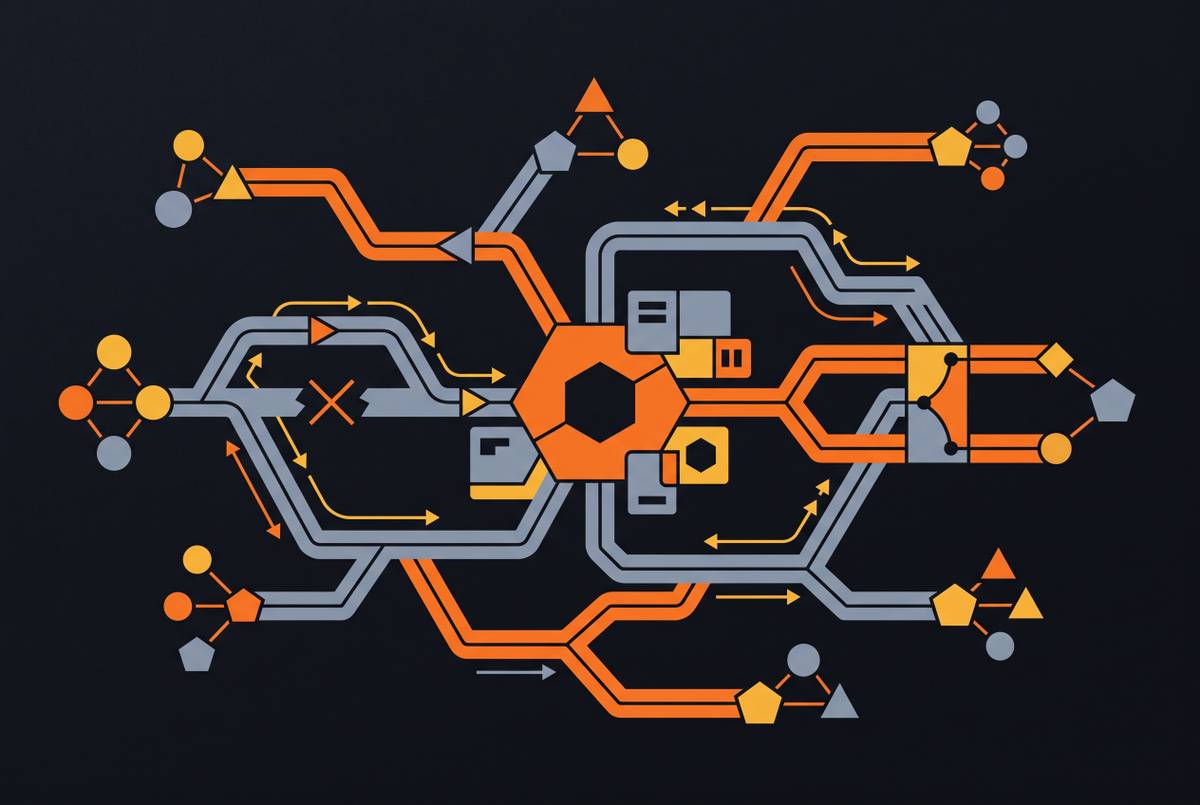
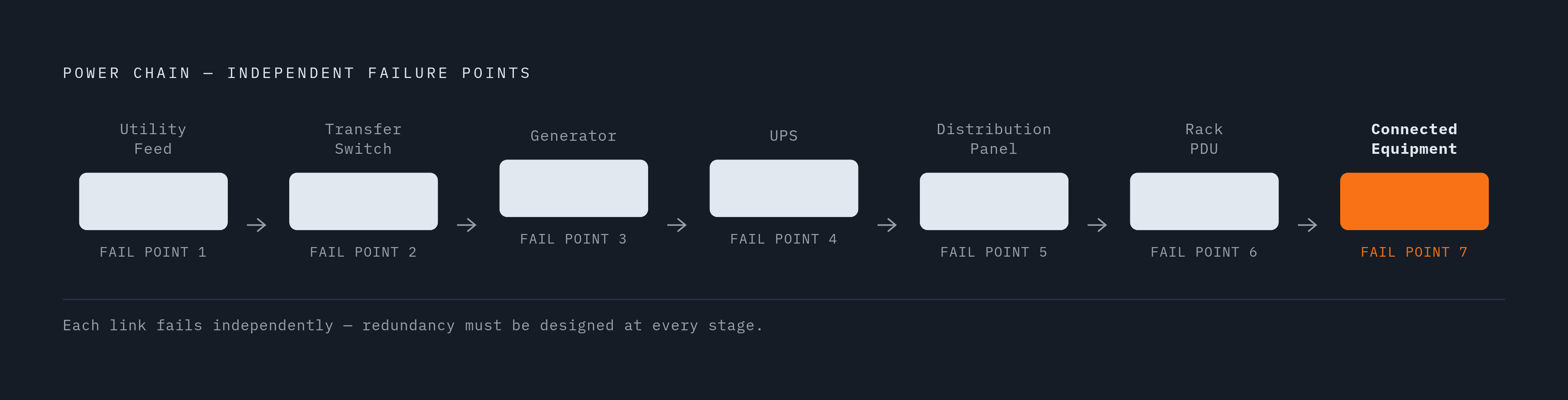
Every server room runs on a chain, and a chain is only as good as the link nobody bothered to check. Power moves from the utility feed through an automatic transfer switch or static transfer switch, into a generator if one exists, through the UPS, out to a distribution panel, and finally to the rack-level PDU. Each stage is a place where things can go wrong on its own terms, independent of every other stage.
That independence is what trips people up. A generator sitting in the parking lot ready to fire on cue does nothing for a room whose UPS batteries died of old age last winter. Redundancy has to get designed into each link separately, because having covered one doesn't cover the rest.
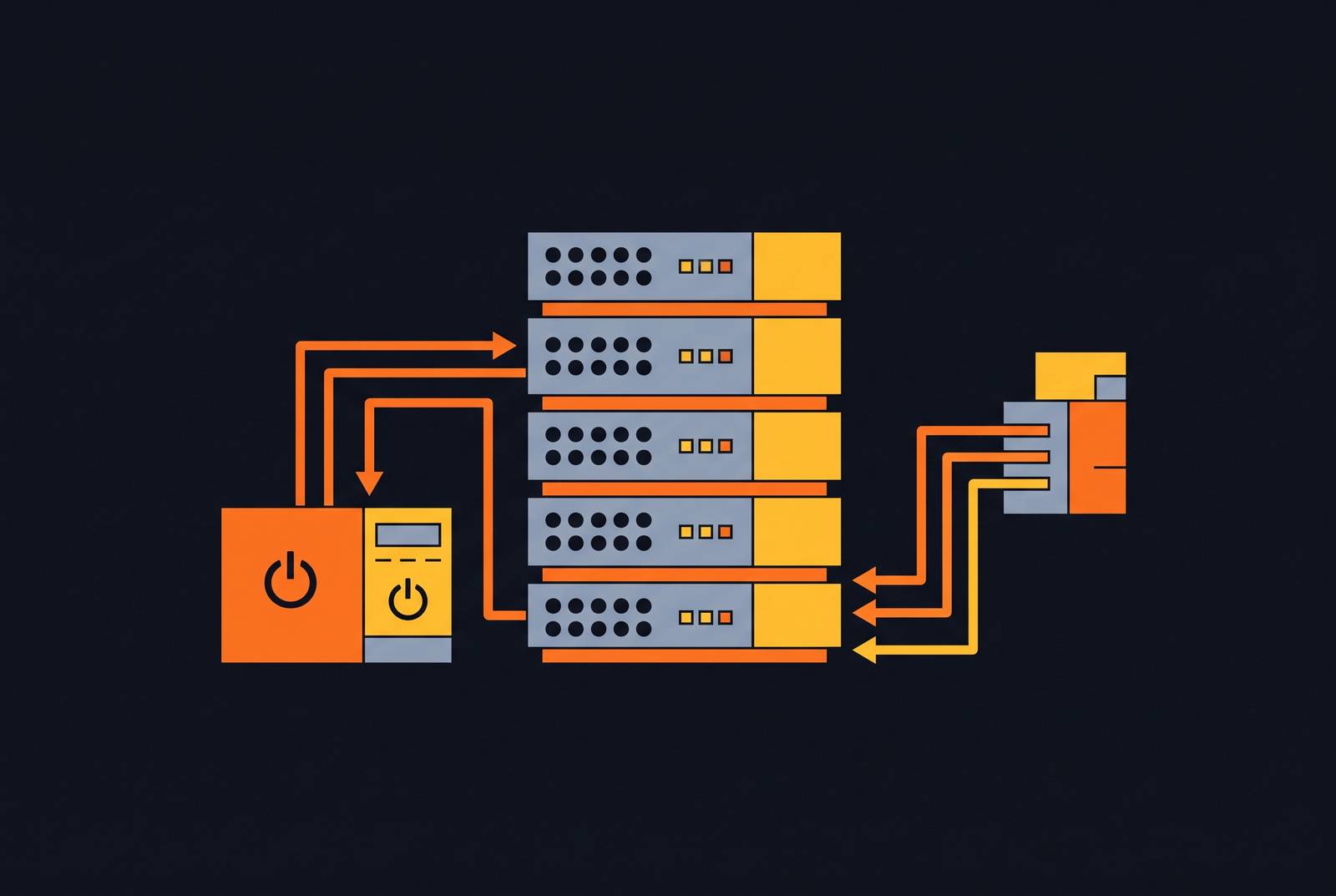
An ATS and an STS differ in ways worth knowing cold. A static transfer switch, built on silicon-controlled rectifiers, can complete a transfer in under 4 milliseconds, which is less than a quarter cycle at 50 Hz. Connected equipment effectively never notices the switch happened. At the rack level, PDUs equipped with automatic transfer switching pull from two separate power sources and flip automatically the moment one source dips or drops. They're small boxes, easy to overlook in a rack diagram, but they're doing real work every single day whether anyone's watching or not.
Assessing actual load before selecting any equipment
Most sizing mistakes happen before anyone even opens a UPS vendor's spec sheet. Organizations routinely size their systems around average power consumption instead of peak demand, BizTech reports, and that habit leaves almost no margin when load spikes hit. It's probably the single most common error in this entire discipline, and it's an easy one to fix if someone just asks the right question at the start.
Two questions have to anchor any load assessment. First: what's the load today, measured at peak, not averaged out over a week? Second: how long do the systems actually need to stay powered during an outage, given what the business does?
That second answer varies enormously by industry. Some environments only need five or ten minutes of ride-through to get through a blip safely. Healthcare operations, manufacturing lines, and anything customer-facing may need an hour or longer, because the cost of a partial shutdown compounds fast in those settings. And density keeps shifting the baseline upward: modern servers, storage arrays, and network switches draw meaingfully more power than the equipment they replaced, even when the boxes themselves look smaller or the same size. Compact doesn't mean modest anymore.
Selecting and sizing a UPS: topology, redundancy model, and runtime
What separates a UPS from a generator, fundamentally, is speed. A generator takes time to spin up and stabilize. A UPS switches over in milliseconds, and connected equipment sees no perceptible interruption.
Topology is the first real decision. Online, double-conversion UPS systems condition power continuously and switch without any transfer gap whatsoever, which makes them the right baseline for any rack running something the business actually depends on. Line-interactive units are cheaper and fine for non-critical gear, but they carry a brief transfer time and don't filter every kind of power anomaly that comes down the line. For most on-prem server rooms, double-conversion should be the default choice, and departing from that default should require a real budget reason, not just habit.
Sizing follows a rule that's easy to state and often ignored anyway: run the UPS around 50% of its rated capacity, with 75% as a hard ceiling. That means the nameplate capacity should be roughly double the actual measured load, and then add additional headroom on top of that for growth. Pushing a UPS toward 100% of capacity shortens its battery life, and the odds of failure climb right at the moment the business needs it most, which is exactly the wrong time for that particular tradeoff to bite.
Battery chemistry: when lithium-ion is worth the premium over VRLA
The battery market is moving fast, driven by lithium-ion's improving energy density and growing adoption across the industry. The data center UPS market overall is projected to grow from $8.76 billion in 2025 to $12.47 billion by 2030, a 7.3% compound annual growth rate, and lithium-ion is already capturing 40% of DC backup installations across the industry, with that share climbing to 55% at hyperscale facilities.
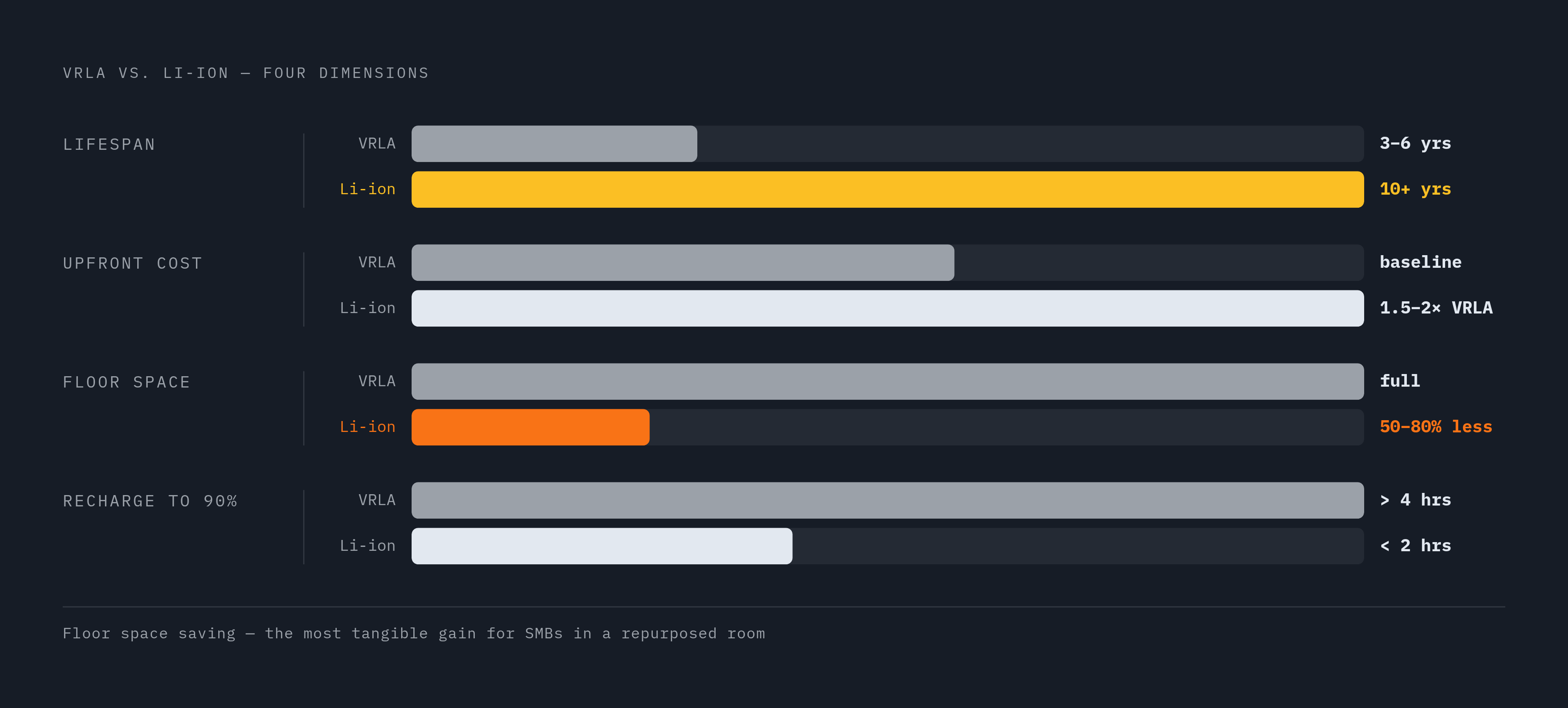
The economic case for lithium-ion rests almost entirely on lifespan. VRLA batteries run 3 to 6 years before they need replacing. Lithium-ion batteries run 10 years or longer. Upfront cost for lithium-ion is 1.5 to 2 times the VRLA price, which sounds like a lot until it gets weighed against the longer service life, at which point the total cost picture often shifts in lithium-ion's favor.
Space matters too, especially for SMBs working with a server room instead of a purpose-built data hall. A lithium-ion battery system takes up 50% to 80% less floor space than an equivalent VRLA setup, and weighs 60% to 80% less, which is not a trivial detail when the room in question used to be a supply closet. Rack-based lithium-ion systems reach 90% capacity in under 2 hours, while VRLA can take more than 4 hours to hit that same mark and up to 24 hours for a full recharge. In a region prone to repeat outages, that gap means being ready for the second event or getting caught flat.
Generator backup: diesel vs. natural gas under changing regulations
A generator's job is to extend the runtime the UPS already bought. Without one, the UPS is the entire backup plan, full stop, and once the batteries run down, the room goes dark. With a generator in place, the UPS just has to bridge the gap while the generator starts up and stabilizes its output.
Diesel has been the default for decades, and it still dominates critical standby applications for good reason. It starts fast and accepts load fast, which is what most emergency standby codes actually require. Stored fuel also means real energy density on-site, with no dependency on a pipeline holding up during the same emergency that took the power down. U.S. data center diesel nameplate capacity grew from 20 GW in 2018 to 55 GW by 2024, and Virginia alone has permitted more than 10,500 units totaling 27 GW of nameplate capacity by the end of 2025. Emissions rules are tightening in ways that create genuine procurement risk heading into 2026.
Natural gas is gaining ground, but for different reasons than diesel's. Fuel costs run lower, emissions run cleaner, and permitting is easier in cities that already have gas infrastructure in the ground. It's increasingly the choice for applications that need continuous runtime under air permits diesel simply can't satisfy. But natural gas has a hard limit: remote sites without pipeline access, and any application needing a sub-10-second start with no UPS to bridge the gap, still have to run diesel.
2026 brings specific regulatory changes that will shape procurement decisions this year. Some states are moving toward requiring EPA Tier 4 standards for new diesel-fired emergency generators at data centers. Oregon's DEQ already has a Tier 4 Streamlined Data Center Permit running. Virginia's DEQ has revised its guidance to set NOx limits on future diesel generators. None of this makes diesel obsolete, but it does mean the paperwork and the timeline around a diesel purchase look different than they did even two or three years ago.
Redundancy architecture: matching the N+1, 2N framework to actual risk tolerance
The Uptime Institute's Tier system gives the industry a shared vocabulary, even if most SMBs shouldn't treat it as a compliance target. With no redundancy, Tier I delivers 99.671% availability. Tier II adds partial redundancy. Tier III runs N+1 redundancy across systems and is concurrently maintainable. Tier IV runs 2N across every system, delivers 99.995% availability, and is fully fault tolerant.
N+1, in practical terms, means one extra unit beyond whatever the load requires. A single UPS module failing, or a single generator failing to start, doesn't interrupt anything, because the spare covers it. For most mid-market on-prem environments, N+1 is the realistic, defensible target, not an aspiration.
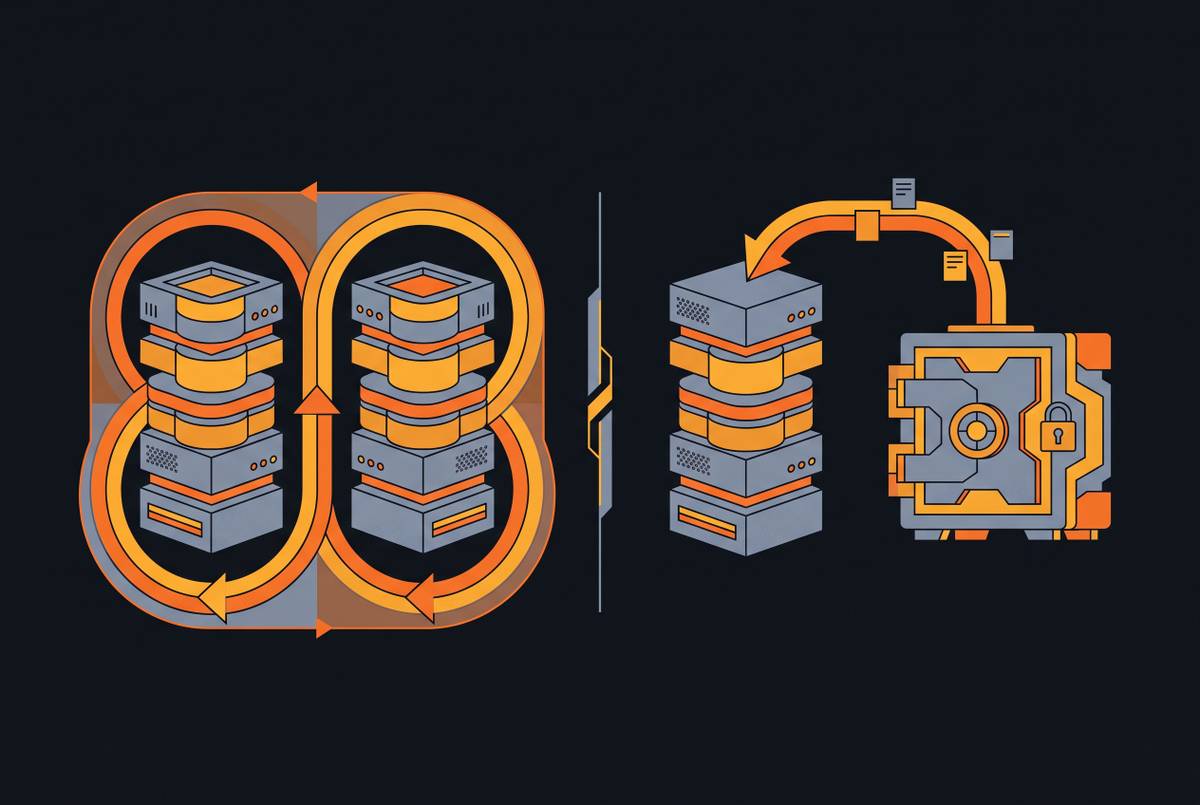
2N is a different animal entirely: a full mirror of the whole arrangement, so that any single component failure leaves an entirely separate, fully working system standing behind it. That level of redundancy belongs in environments where downtime carries a cost the business genuinely cannot absorb, commercially or otherwise.
The Tier framework's real lesson has nothing to do with chasing a certification plaque. Each added layer of redundancy buys roughly one more "nine" of availability, and the business has to decide, with open eyes, what that nine is actually worth measured against what it costs to build.
Environmental monitoring and the warning signs small IT teams miss
Battery and generator selection get the attention, but a server room's day-to-day resilience depends just as much on catching the small environmental signals before they become the reason for an outage report. Temperature drift inside a rack, humidity swings, and a UPS battery quietly aging past its rated life all appear as a dramatic failure only on the day they finally cause one.
Small IT teams, often running the server room alongside a dozen other responsibilities, are the ones most likely to miss these signals simply because nobody's watching full-time. That's not a knock on the teams themselves; it's a structural reality of running infrastructure without a dedicated facilities staff standing by around the clock. The fix isn't heroics, it's putting monitoring in place that flags the drift before it becomes the incident, and treating that monitoring as part of the power resilience plan rather than an afterthought bolted on once the UPS and generator decisions are already made.